The menu
A private four-person room behind a sliding shoji door. One seating a night, at half past seven.
The arc
This is kaiseki, not the counter omakase. A longer, quieter shape, served at a single low table behind a sliding door.
Kaiseki is not a tasting menu of a restaurant’s greatest hits. It is a fixed sequence of cooking methods — raw, simmered, grilled, steamed — through which the season is passed, and the same eight or ten stations recur every night of the year while what fills them changes weekly.
Because the room seats four and there is only one seating, Hiroshi cooks it himself from the counter side and carries it in. You will see him five or six times across the evening. There is no service in between, which some guests find strange for the first half hour and then do not.
The eight stations
Cold, then the box
The opening bite, set down before you have settled. One or two mouthfuls, usually cold, and deliberately smaller than you expect. It is there to mark that the meal has begun.
The seasonal box, and the heart of the whole form. Five to eight small things arranged on a square tray, half from the sea and half from the mountain, chosen to say exactly where in the year you are sitting. In April it will hold something with a young leaf on it; in November it will not.
Sashimi, cut in the room rather than plated in advance. Two or three species, dressed with salt and citrus more often than with soy.
Soup, fire, steam
Clear soup, and the course a kaiseki kitchen is judged on. Nothing hides in it: kombu, bonito, water, salt, and one piece of something in the middle. Hiroshi makes the dashi twice a night rather than once.
Grilled over binchotan. Usually a fish with enough fat to survive the charcoal — kinmedai, or nodoguro when it reaches Athens, which is not often.
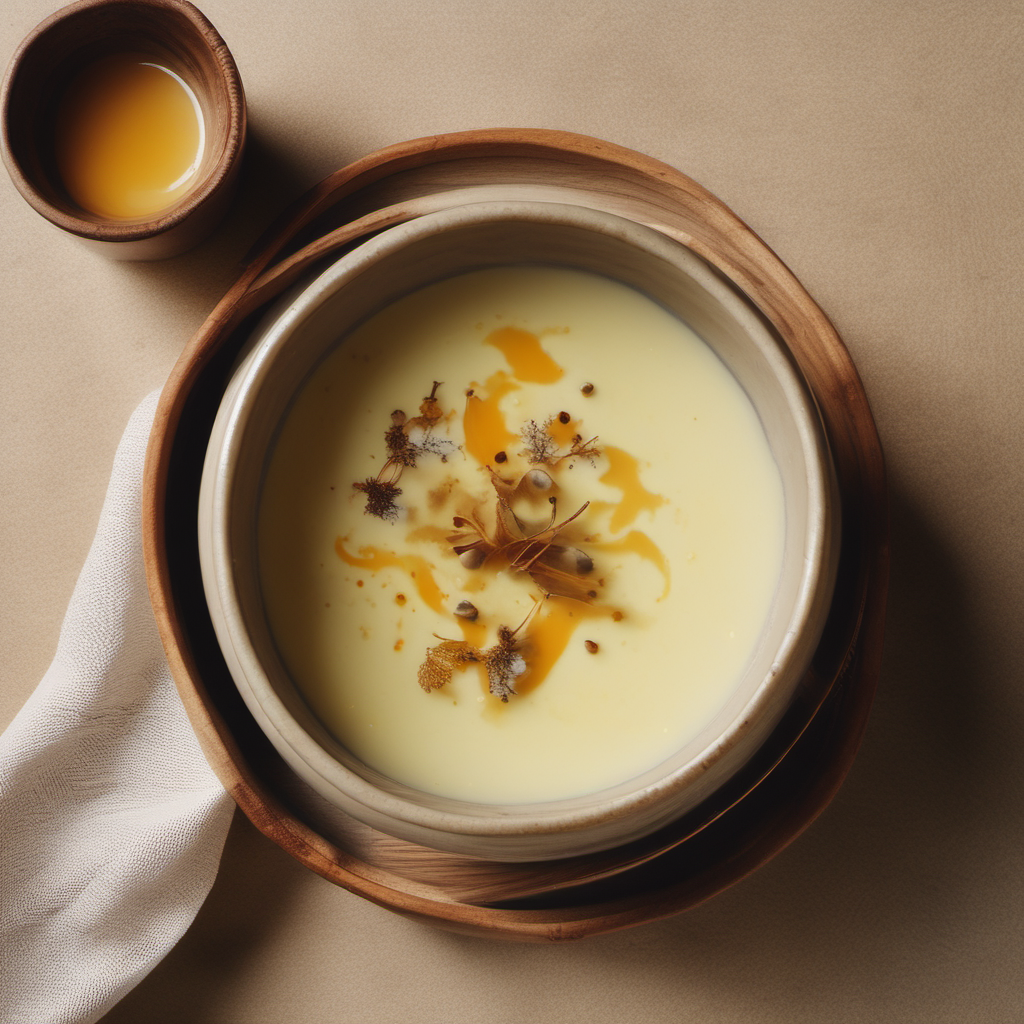
Steamed, and usually the warmest thing you will eat all evening. In winter this is a turnip steamed until it collapses; in summer it is closer to a custard.
Rice, then water
The rice course, with pickles and a miso soup. It arrives when you are already full, which is intended: kaiseki is built to end on rice, the way a meal at home would.
Literally the water thing. Fruit, or something close to it — a sorbet, a jelly, a single piece of persimmon in October. Nothing rich, and nothing that tries to be a dessert.
On some nights there are nine or ten courses rather than eight, because a second yakimono or an extra hassun element makes sense. The price does not change.