The menu
One menu per night, set at half past five by Hiroshi after the day-boat fish arrives. Served only at the counter.
What the evening is
The price includes every course, the miso, the tea and the tamago. There is no à la carte and no supplement beyond the ikura, because the sequence is built as one thing and does not come apart.
The arc is consistent — a hot opener, a cured fish, six to eight nigiri, a hand-roll, soup, tamago and a sweet — but the species and the cure depend on the day. What is fixed is the shape; what moves is the fish.
The rice

Everything at an Edomae counter is judged on the shari, and the shari is judged on three things: the grain, the vinegar, and the heat.
The grain is a private Koshihikari batch from the Maeda family in Niigata, grown for this room since 2020. Periklis cooks it fresh for each seating and holds it in a wooden ohitsu, which breathes where a metal container sweats.
The vinegar is a blend of red and rice vinegar, cut so that it carries the fish without announcing itself. And the heat is thirty-six degrees, near enough to body temperature that the rice does not read as warm or cold at all — which is the point. Cold shari makes the fish taste tight; hot shari cooks it.
The standing twelve
Two more courses are added on nights when the boats are generous. Allergens are listed against each course, and the full matrix is on the allergens page.
Hot, then raw
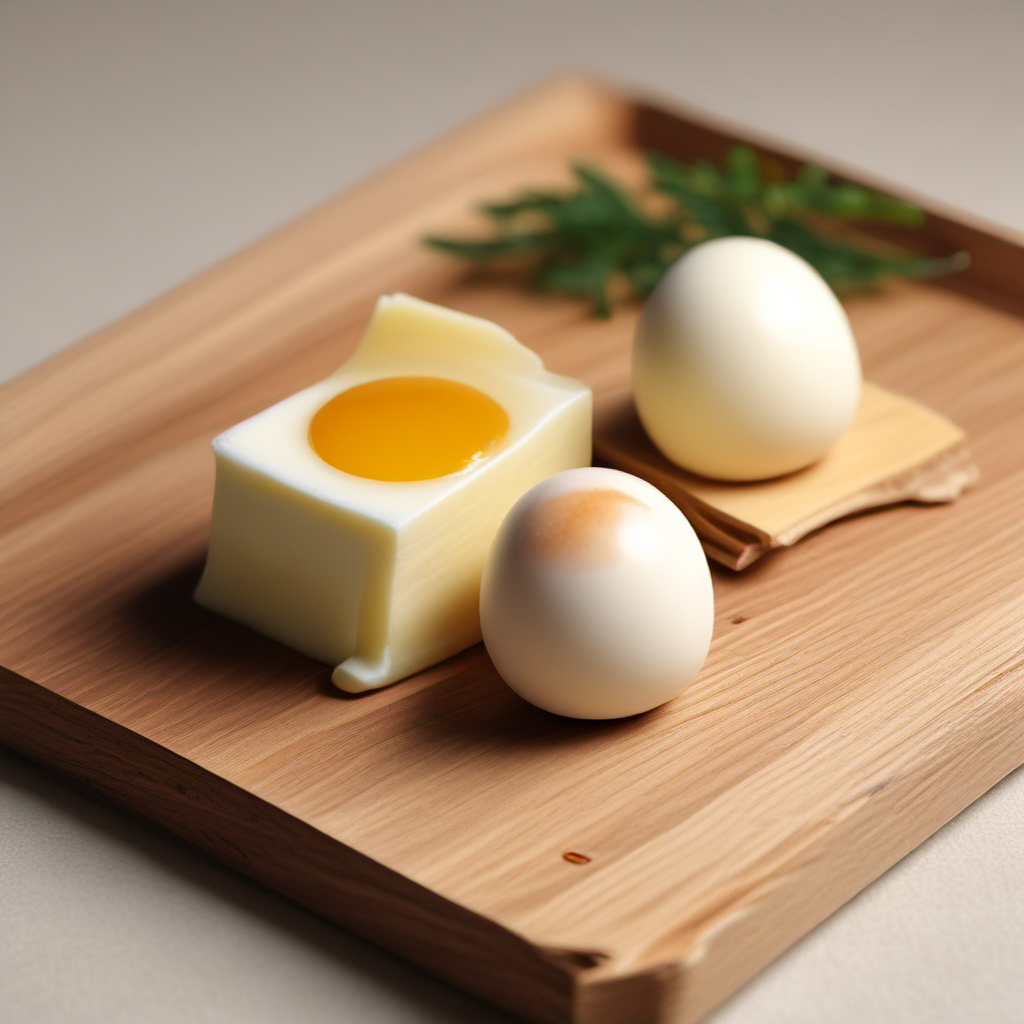
Steamed egg custard under dashi, with sea-urchin tongues from Astakos when they are running. Served in the lidded cup, and eaten with a spoon rather than chopsticks.
Egg, dashi
A small sashimi opening, cut to order in front of you. Usually two pieces of whatever came off the boat least handled.
Fish
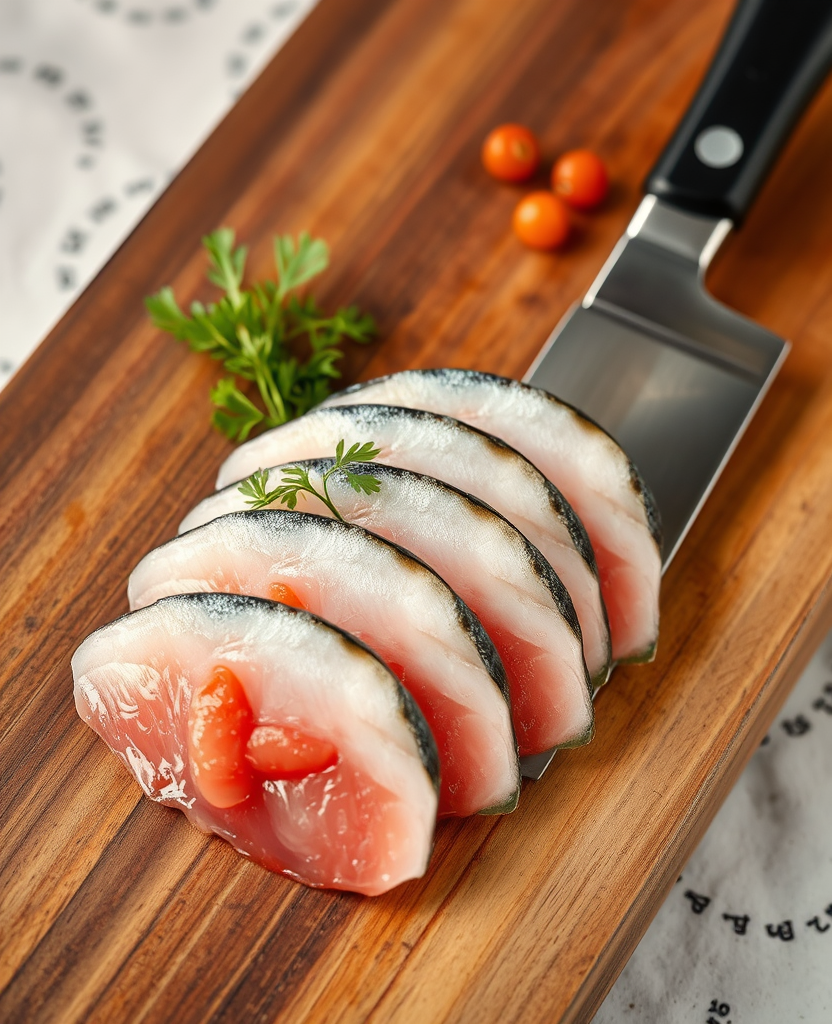
Kohada or saba, depending on the boat. Salt first, then vinegar, for anywhere between six and eight days according to the humidity.
Fish, vinegar
Six to eight pieces
The lean cut of bluefin, brushed with nikiri and set on warm shari. It opens the run because it is the clearest thing on the counter.
Fish, soy
The medium fatty cut, from the belly nearer the spine. Fattier than akami and still short of the richness of o-toro, which we serve rarely.
Fish, soy
Flounder, rested two days so the flesh loosens and sweetens. A drop of yuzu and salt rather than soy.
Fish, citrus
Golden eye snapper with the skin seared over binchotan for four seconds, long enough to release the fat under it and no longer.
Fish, soy
Line-caught mackerel from Skala Oropou, briefly cured. Or the seasonal silver fish, if the mackerel is not right that week.
Fish, vinegar
Salt-water eel, simmered and then glazed with tsume, a soy reduction that has been going since the room opened.
Fish, soy, sugar
Roll, soup, egg
Chopped toro and scallion in nori crisped to order. Eat it immediately; it is built to be eaten within about twenty seconds.
Fish, nori
Clear soup. Kombu and bonito, sometimes clam. The pivot of the meal, and the only course that is the same every night.
Dashi
Sweet egg, cooked slowly for seven minutes and finished on the hot iron. The last savoury thing, and traditionally the piece that tells you whether the counter is any good.
Egg, sugar